
Why Internal Audit Is Widely Misunderstood
Internal audit is often treated as a statutory formality something to be completed because it is expected, not because it adds value. Many business owners associate it with checklists, reports, and observations that rarely influence real decisions.
In reality, internal audit exists to protect the business, not to satisfy compliance. Its real purpose is to identify weaknesses early, when problems are still manageable and inexpensive to fix.
Most businesses don’t fail because of competition.
They fail because internal problems remain unnoticed until growth, audits, lenders, or regulators expose them.
The Real Business Problem Internal Audit Solves
As businesses grow, complexity increases faster than systems. Processes that worked earlier begin to break quietly.
Without a strong internal audit lens, businesses often develop:
- Hidden financial leakages
- Informal approvals replacing structured controls
- Overdependence on specific individuals
- Weak visibility into operational risks
These issues don’t appear on the profit and loss statement immediately. They surface later as cash stress, audit qualifications, delayed decisions, or loss of credibility with stakeholders.
Internal audit exists to surface these risks before they become visible externally.
Internal Audit as an Early Warning System
A well-designed internal audit functions like an early warning system for the business. It looks beyond numbers and evaluates whether systems can withstand pressure.
This includes reviewing:
- how decisions are authorised
- how transactions are recorded and monitored
- whether controls work in practice, not just on paper
- where errors or misuse could realistically occur
Modern internal audits increasingly follow a risk-based internal audit approach — focusing attention on areas where failure would cause maximum damage, instead of reviewing everything mechanically.
This makes internal audit relevant to management, not just auditors.

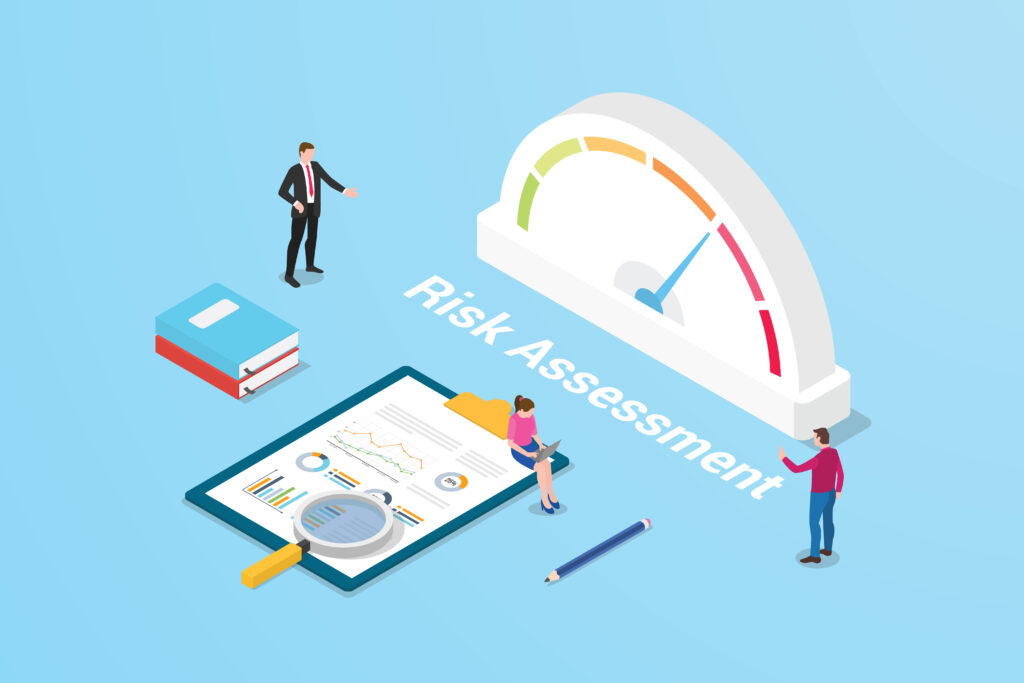
Internal Control Audit: Where Real Risks Are Exposed
An internal control audit is often the most revealing part of the process. It highlights the gap between documented policies and actual execution.
Common issues that surface include:
- approvals bypassed under urgency
- lack of segregation of duties
- systems without proper audit trails
- controls dependent on trust instead of structure
For businesses planning expansion, funding, or leadership transitions, these gaps directly threaten stability. Internal audit helps close these gaps before they become expensive failures.
Why Internal Audit Is a Survival Tool, Not a Cost
Many business owners see internal audit as an expense. In reality, it is cost protection.
A strong internal audit framework helps businesses:
- prevent losses rather than explain them later
- improve reliability of financial information
- strengthen decision-making
- build confidence with lenders, partners, and investors
This is why internal audit firms in India increasingly emphasise internal audit as a management tool, not a compliance activity. Businesses that review themselves internally are far less likely to face unpleasant surprises externally.
The One Clear Takeaway for Business Owners
Internal audit is not about control for the sake of control.
It is about protecting the value you are building every day.
If you don’t review your systems internally, someone else eventually will — an external auditor, a lender, a regulator, or the market. And when that happens, the cost is always higher.
That’s why internal audit is not a compliance exercise.
It is a business survival tool.
If you believe internal audit should protect value, not just tick boxes,
you can connect with KAT and Company to understand how we approach internal audit as a business survival tool.
👉 CONTACT US.